Burcu

About Us · Sustainability

While creating flavour, we protect nature too.

Sustainability

Producing for a Sustainable Future

At Burcu Food, we see sustainability as one of the most fundamental elements of our production activities and our approach to corporate development.

We continue our work to protect natural resources, reduce our environmental impact, use resources efficiently and increase the benefit we bring to society.

At every stage of our food production processes, we aim to act with environmental and social responsibility, continually improve our operations and build a more sustainable future together with our stakeholders.

We build our approach to sustainability on the principles of environmental responsibility, social development and strong corporate governance.

We protect our resources, strengthen our responsibilities and add value to the future.

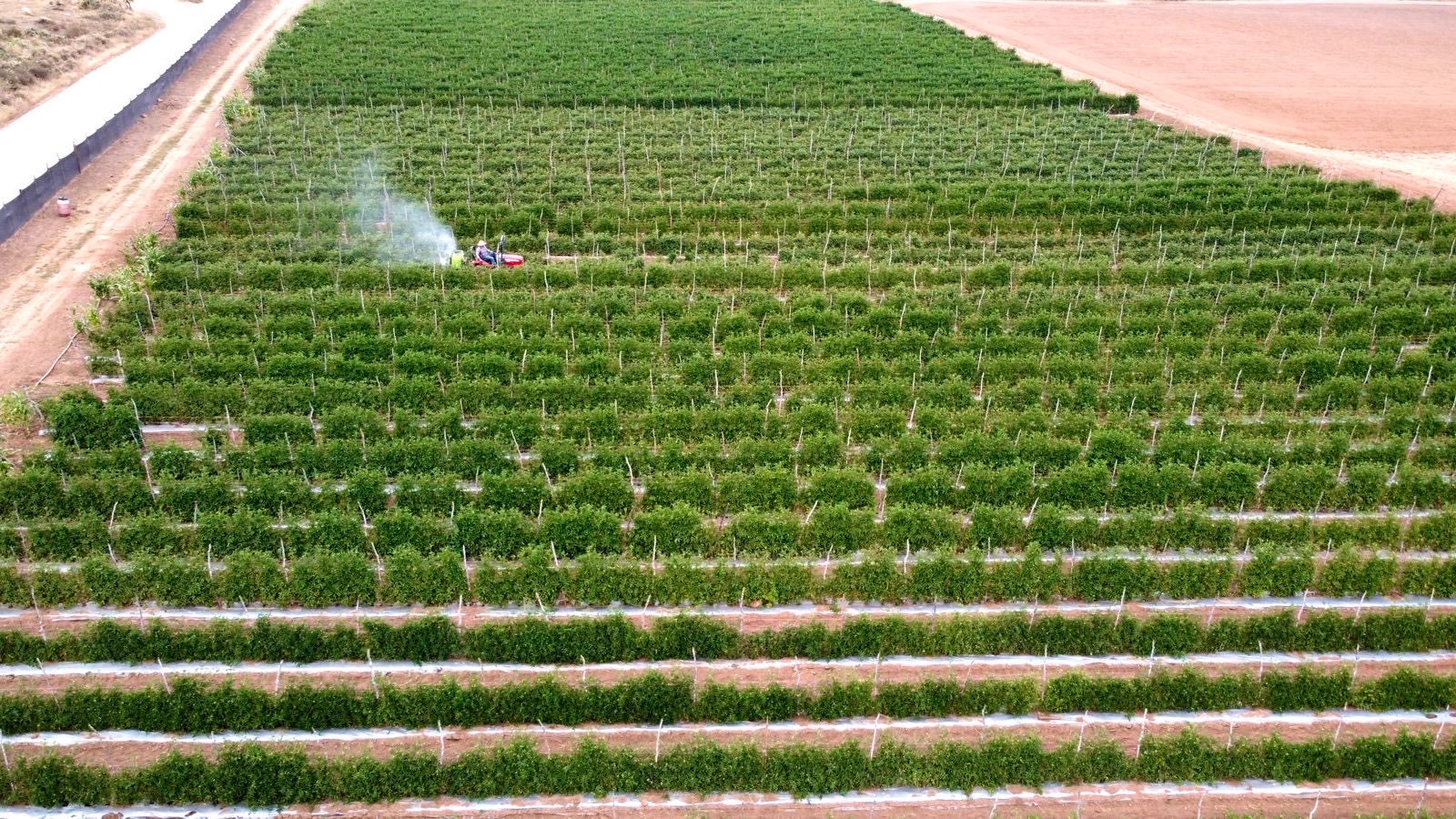
Aerial view of a tomato field
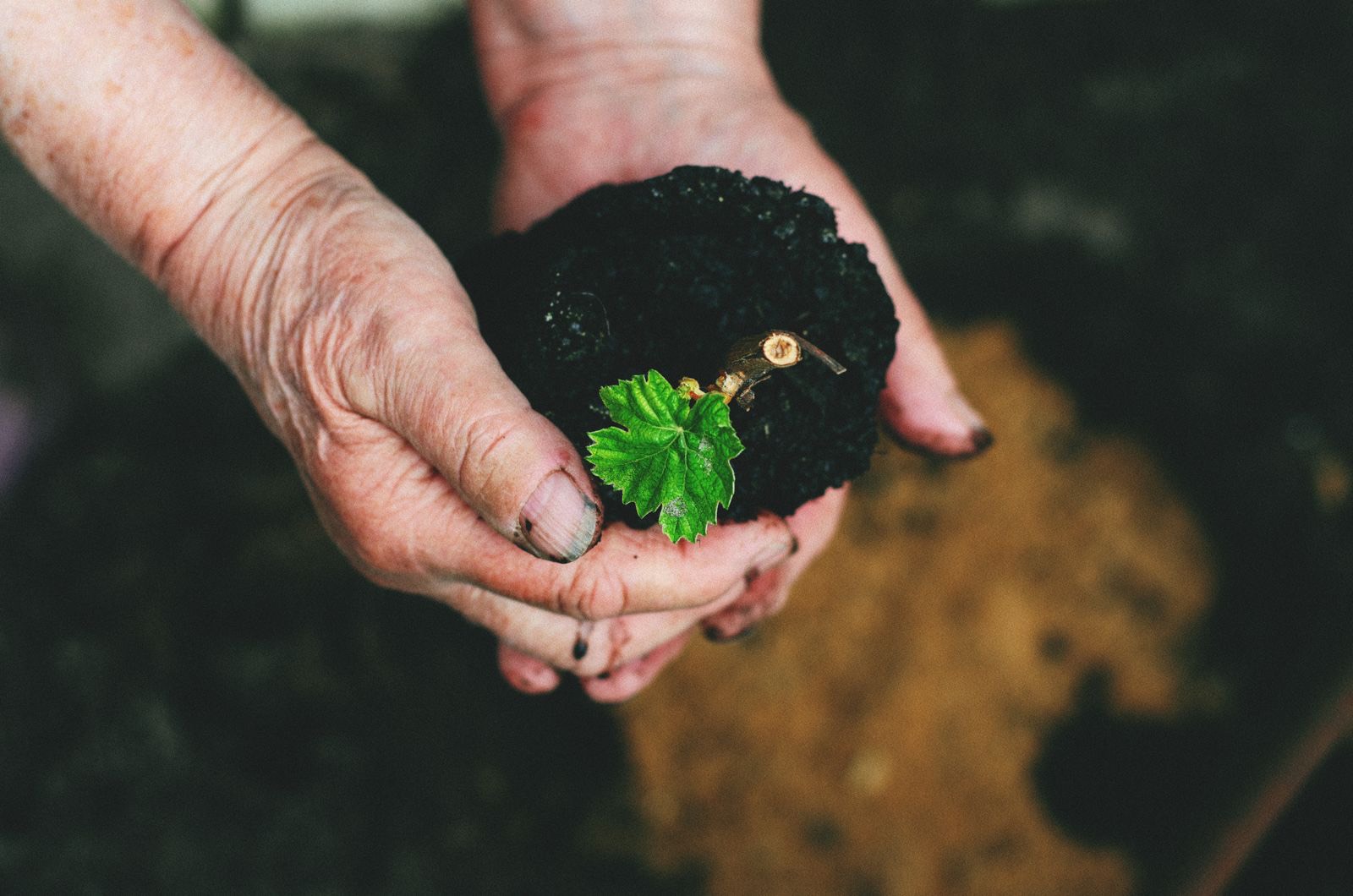
Seedling held with its soil

Our Sustainability Strategy

Burcu Food's sustainability strategy addresses the environmental, social and economic impacts of our operations through a holistic approach.

We are committed to spreading sustainability awareness across all our processes, from production to our supply chain and from our employees to our business partners.

Our Priorities

  • Effective and efficient use of natural resources
  • Reducing energy consumption and greenhouse gas emissions
  • Protecting water resources and improving water efficiency
  • Preventing waste and supporting recovery
  • Developing sustainable production and responsible sourcing
  • Supporting employee health, safety and development
  • Embracing ethical, transparent and accountable management

In line with these priorities, we aim to monitor our performance, identify areas for improvement and continually develop our sustainability work.

Green Deal Compliance Project Support

Sustainable Transformation with the Responsible® Programme

To support our corporate development in sustainability, comply with international environmental standards and manage our green transformation systematically, we are working within the Green Deal Compliance Project Support – Responsible® Programme run by the Ministry of Trade. Our Phase 1 process has been approved, earning us the right to use the programme's mark.

Following the baseline assessment carried out under the Responsible® Programme, we evaluated our development needs in sustainability and created the sustainability roadmap that will guide our corporate transformation.

Guided by our approved Phase 1 report and sustainability roadmap, we aim to strengthen our environmental, social and governance performance by advancing our work in the identified project areas.

Responsible® Programme

Alignment with the European Green Deal and Fit for 55 Targets

Around the world, combating climate change, protecting natural resources and developing sustainable production models are becoming ever more important. The European Green Deal set out by the European Union, and the Fit for 55 package developed under it, aim to accelerate the transition to a low-carbon economy and cut greenhouse gas emissions by at least 55% by 2030.

At Burcu Food, we closely follow the global sustainability transformation and aim to develop our production activities in line with environmental responsibility, resource efficiency and continuous improvement.

We regard the climate targets of the European Green Deal and Fit for 55 as an important reference for our work on energy efficiency, carbon management, sustainable production and the circular economy, and we plan to reach net zero by 2050.
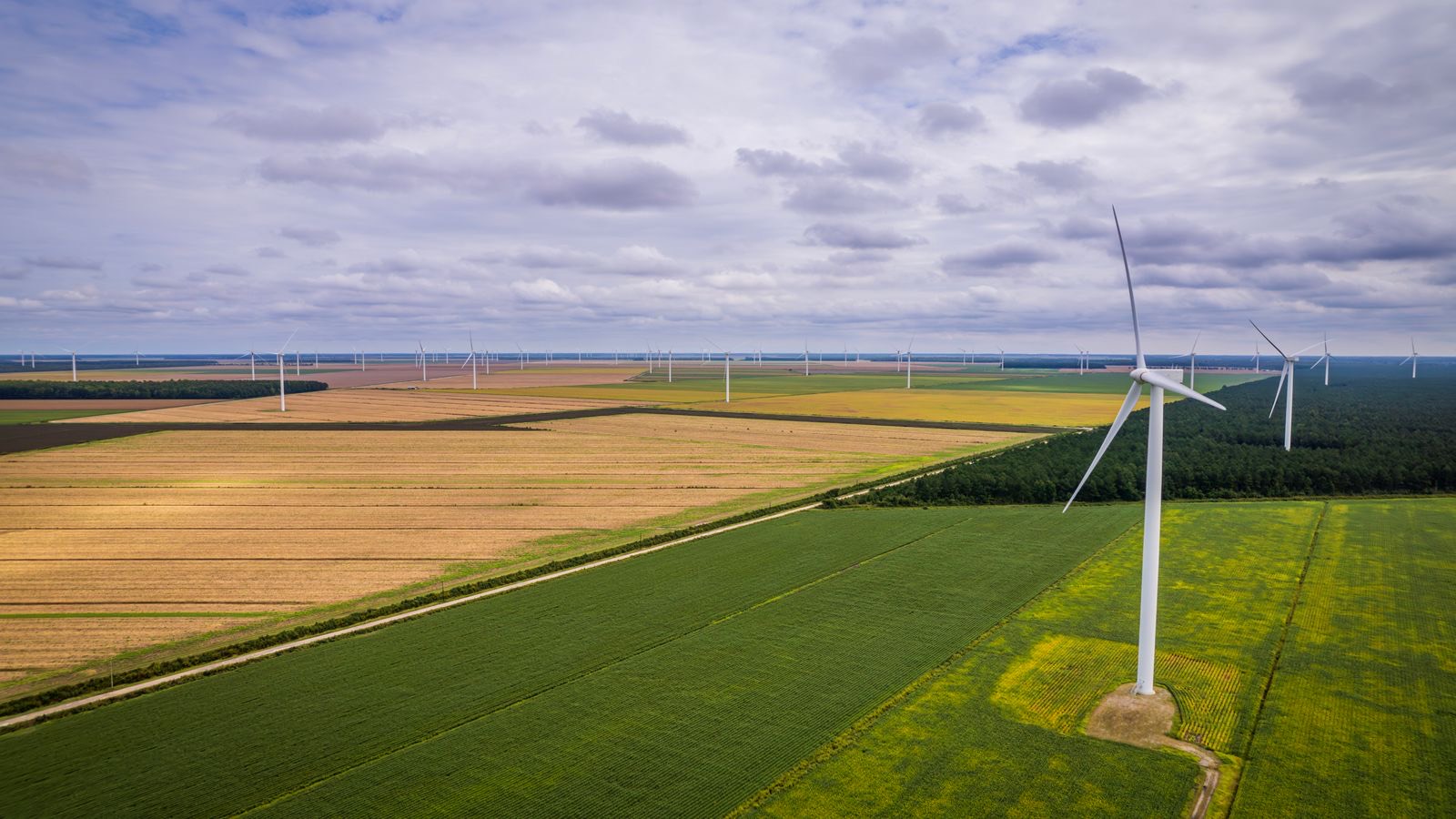
Wind turbines among farmland

Our focus areas

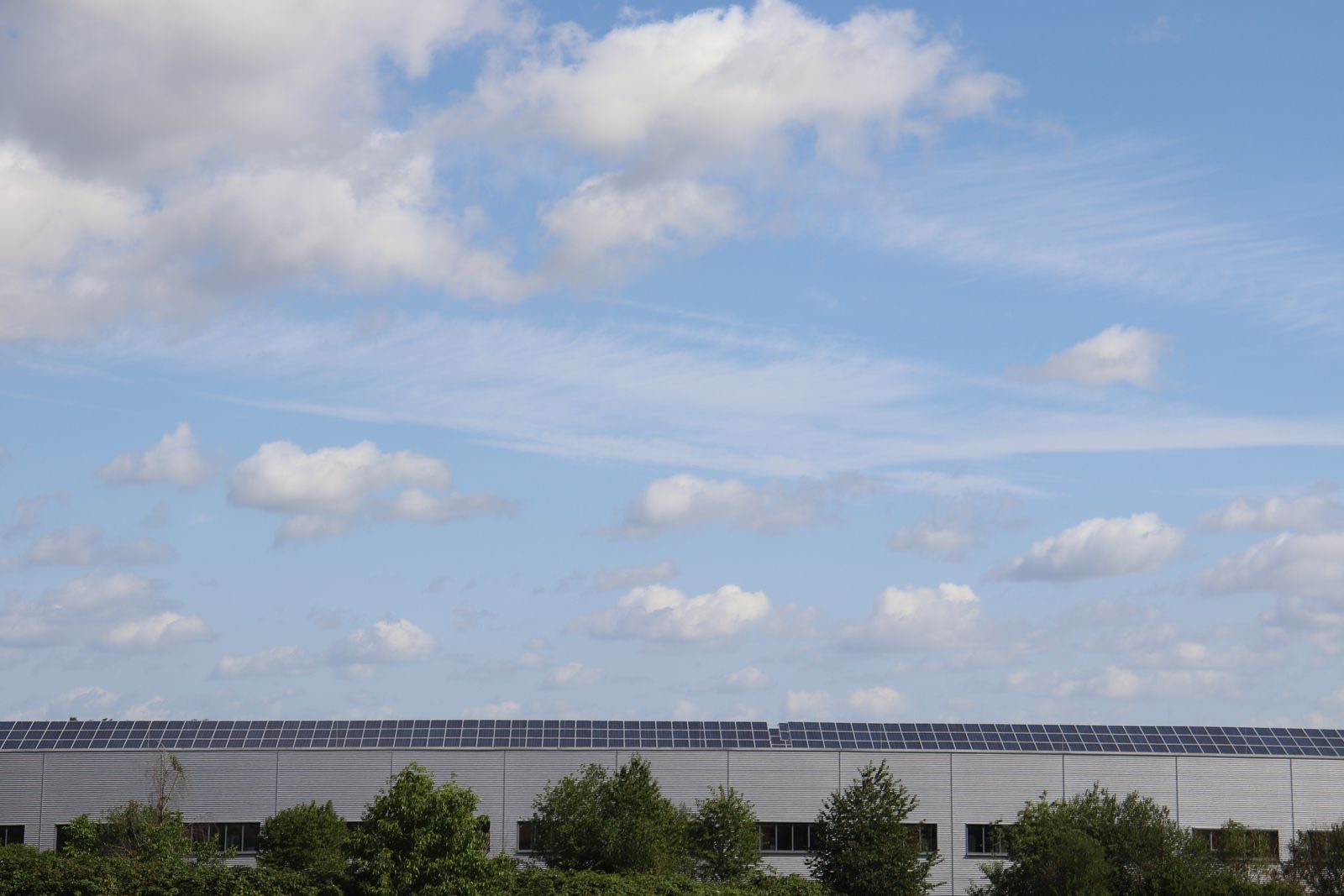
Solar panels on a rooftop

Climate

Low-Carbon Production and Combating Climate Change

We see monitoring and reducing the greenhouse gas emissions from our production activities as a key element of our sustainability approach.

We aim to reduce our climate impact by managing our energy consumption effectively, pursuing opportunities to cut fossil fuel use and increasing efficiency in our production processes.

Energy-efficient LED bulb held in hand

Energy

Energy Efficiency and Resource Management

Using energy efficiently is an important part of our approach to sustainable production. By tracking our consumption of electricity, natural gas and other energy sources, we work to reduce energy losses and improve process efficiency.

Through our energy management practices, we optimise resource use in production and support a lower-carbon-intensity production structure. Our ISO 50001 Energy Management System certification complements this work.

Water droplets on a green leaf

Water

Water Efficiency and Protecting Natural Resources

Water is a vital resource in food production, so we carefully monitor water consumption in our processes to use and protect it efficiently.

We aim to reduce our impact on natural resources by preventing water losses, improving wastewater management and pursuing opportunities to reuse water in suitable processes.

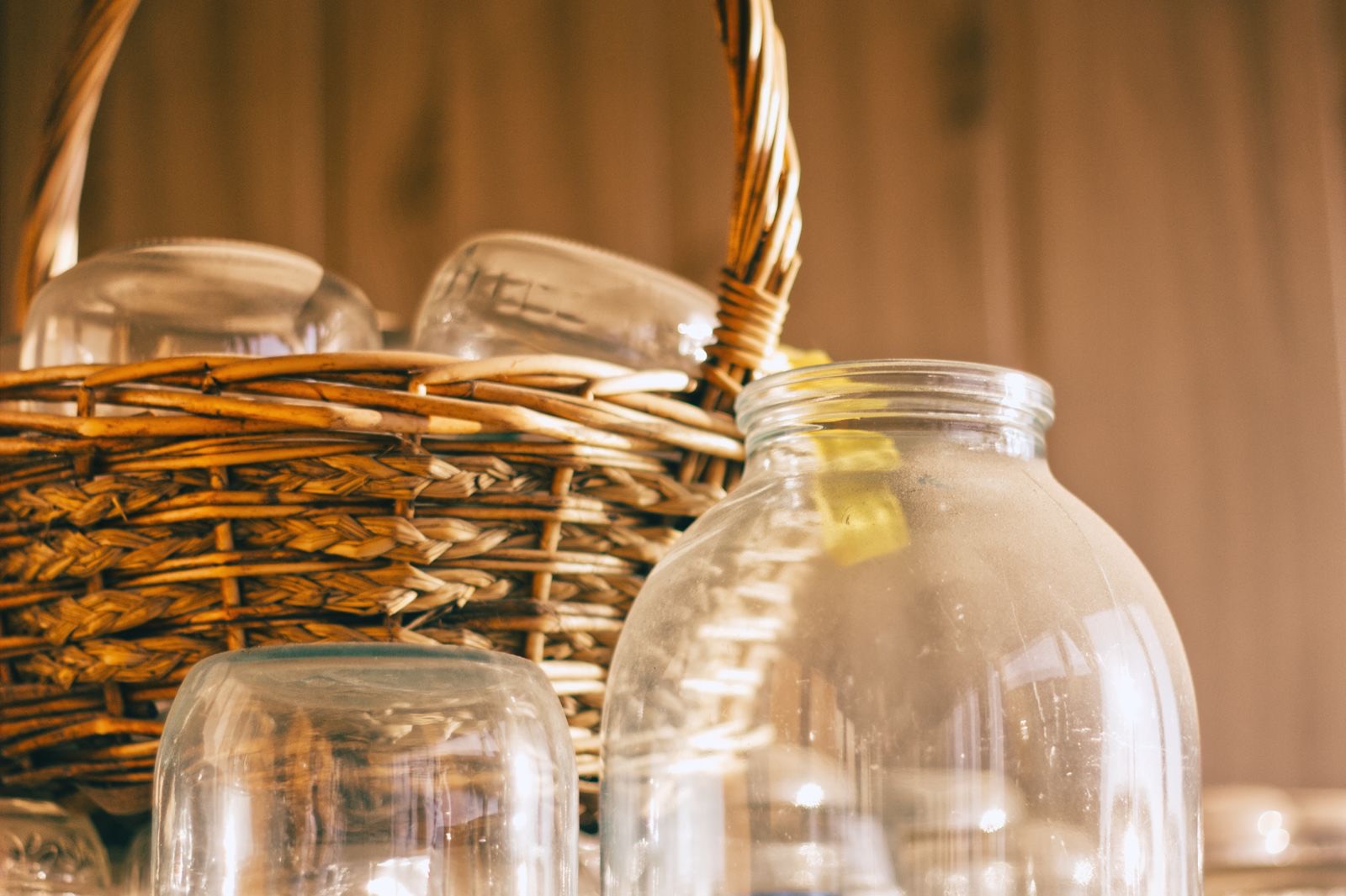
Glass jars in a wicker basket

Circularity

Circular Economy and Sustainable Packaging

We support a circular economy approach aimed at using resources efficiently and reducing waste.

We are committed to reducing production waste at source, making proper use of recyclable materials and lowering the environmental impact of our packaging.

We follow European Union regulations on packaging and packaging waste and pursue opportunities to make our packaging processes more sustainable.

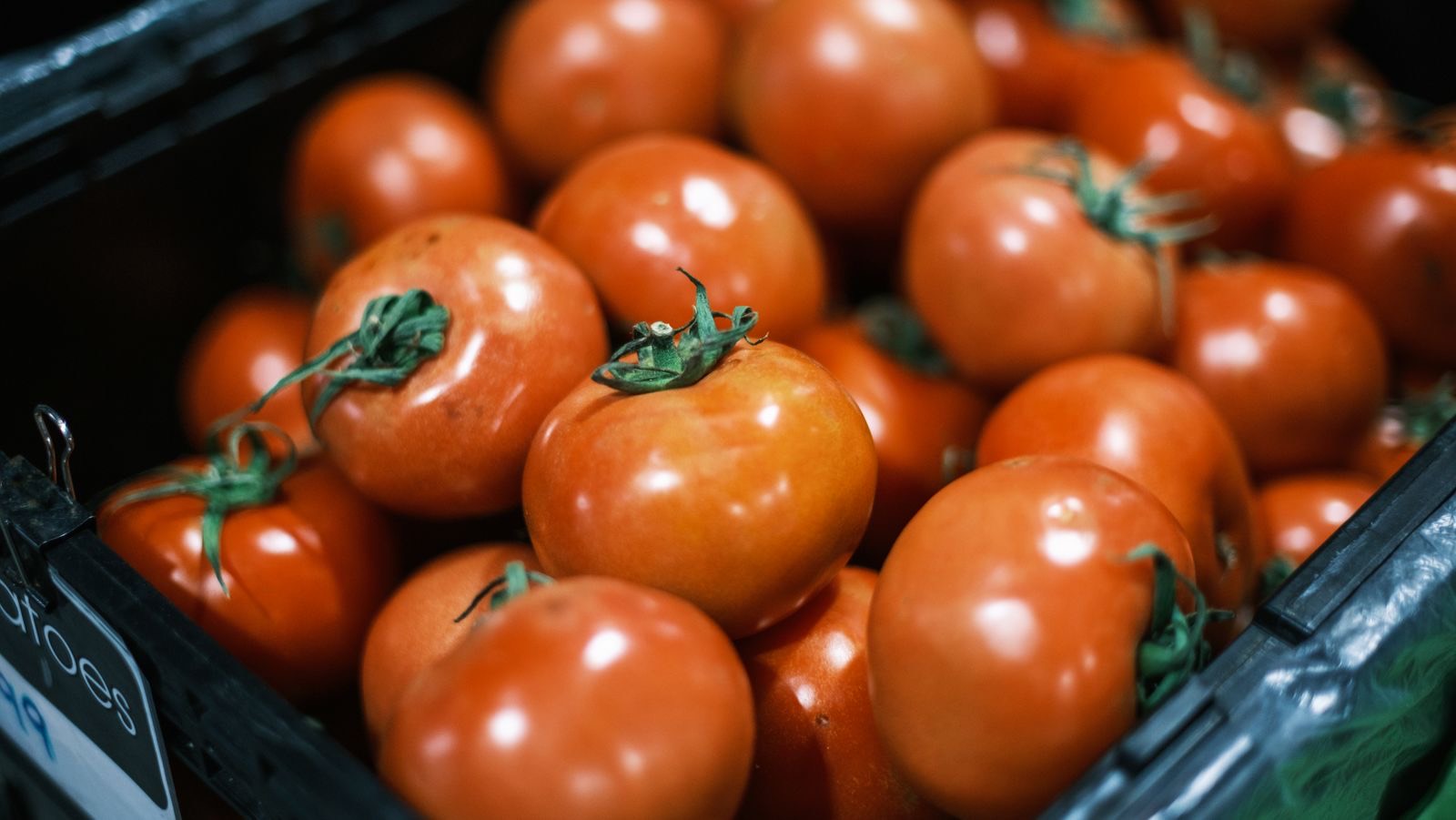
Fresh red tomatoes in a crate

Sourcing

Sustainable Supply Chain

We know that sustainable production is not limited to our production sites. By also assessing raw materials, packaging and logistics in terms of environmental impact, we aim to develop an approach that promotes resource efficiency, responsible production practices and environmental awareness throughout our supply chain.

Take a closer look at our nature-friendly production.